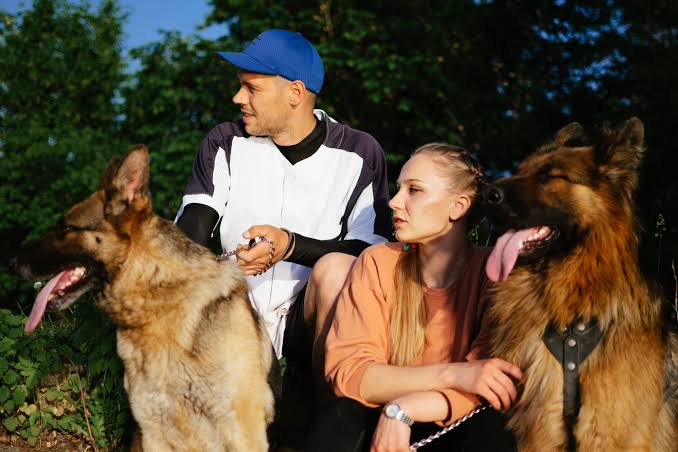
Family-friendly dog training programs help households create stronger relationships with their dogs through clear communication, consistent routines, and practical guidance. At Rob’s Dog Training, the focus is on helping dogs understand expectations while allowing families to enjoy a safer, happier life together. Training is not only about teaching commands but also about building lasting communication and trust.
Every dog has its own personality, learning style, and experiences. A puppy joining a busy household may need support with socialization, while an adult dog may need help developing better manners around guests, children, or other pets. A thoughtful training approach considers these differences and focuses on skills that fit everyday family life.
Why Family-Focused Training Matters for Dogs and Owners
Dogs are highly social animals that rely on communication with their human companions. Without proper guidance, dogs may develop unwanted habits such as jumping on visitors, excessive barking, leash pulling, or difficulty settling in the home.
A structured training program gives families the tools to communicate effectively with their dogs. When expectations are clear, dogs are more likely to respond appropriately in different situations.
Family-focused training can help with:
- Building trust between dogs and family members
- Teaching polite behaviors at home and in public
- Supporting positive interactions with children and visitors
- Creating predictable daily routines
- Encouraging confidence in new environments
Training should be viewed as an ongoing process rather than a single event. Consistent practice helps dogs understand what behaviors are expected and provides opportunities for continued learning.
The Role of Positive Reinforcement in Dog Training
Modern dog training often focuses on positive reinforcement, a method that rewards desired behaviors to encourage repetition. When dogs receive praise, treats, play, or other rewards for making good choices, they learn which actions receive positive responses.
Positive reinforcement can be useful for teaching:
- Basic obedience commands such as sit, stay, and come
- Calm greetings with people and animals
- Appropriate walking habits
- Impulse control around distractions
- Confidence in unfamiliar situations
This approach supports a healthy relationship between dogs and owners because training becomes a cooperative experience. Dogs learn through encouragement rather than fear, which can make lessons more enjoyable and effective.
How Family-Friendly Dog Training Programs Address Individual Needs
No two dogs learn in the same way. Breed characteristics, age, previous experiences, energy levels, and household routines can all influence how a dog responds during training.
Effective programs begin by understanding the dog as an individual. A young puppy may need guidance with house manners and social skills, while an older dog may require help changing established behaviors.
A customized approach may focus on areas such as:
Puppy Development and Early Learning
The early months of a dog’s life are an important period for learning. Puppies are developing habits, forming attachments, and becoming familiar with the world around them.
Training during this stage can support:
- Proper socialization with people and other dogs
- Comfortable handling for grooming and veterinary visits
- Reliable potty routines
- Appropriate chewing behaviors
- Basic communication skills
Early guidance can help puppies grow into confident adult dogs that better understand household expectations.
Obedience Skills for Everyday Life
Obedience training provides the foundation for safe and enjoyable interactions. Commands are not simply tricks. They are communication tools that can help families manage real-life situations.
For example, a reliable “come” command may help keep a dog safe outdoors, while a “stay” command can help during moments when patience is needed.
Important obedience skills include:
- Responding to verbal cues
- Walking calmly on a leash
- Waiting patiently around food or visitors
- Settling down during family activities
- Listening despite distractions
These skills help dogs become respectful members of the household.
Creating Better Communication Between Dogs and Families
Many behavior challenges happen because dogs and humans misunderstand each other. Dogs communicate through body language, vocalizations, movement, and behavior patterns.
Learning basic canine communication can help owners recognize signs of excitement, stress, fear, or discomfort. This awareness allows families to respond appropriately before small concerns become larger challenges.
For example, a dog that avoids interaction may not be stubborn. The dog may be communicating uncertainty or needing more gradual exposure to a situation.
Training professionals can help families understand these signals and create strategies that encourage positive behavior.
Common Challenges Addressed Through Professional Training
Families often seek professional guidance because they want practical solutions for everyday problems. A knowledgeable trainer can help identify the reasons behind behaviors and provide steps for improvement.
Common training concerns include:
Excessive Barking
Barking is a natural form of communication, but frequent barking can become disruptive. Training can help families understand triggers and teach alternative responses.
Jumping on People
Dogs often jump because they are excited or seeking attention. Teaching calm greetings helps dogs interact more politely with family members and visitors.
Leash Pulling
Walking should be enjoyable for both dogs and owners. Training helps dogs learn appropriate leash manners and improves control during outdoor activities.
Difficulty Listening
Distractions can make it challenging for dogs to respond. Consistent practice in different environments helps strengthen reliability.
Building Long-Term Success Through Consistency
Successful dog training depends on more than lessons alone. Families play an important role by practicing skills regularly and maintaining consistent expectations.
Helpful training habits include:
- Practicing short sessions each day
- Rewarding good behavior when it happens
- Using clear and consistent commands
- Providing mental stimulation through activities and games
- Maintaining patience during the learning process
Dogs learn through repetition. Small improvements over time can lead to meaningful changes in behavior and communication.
Choosing the Right Training Support for Your Family
Selecting a dog training program requires considering the needs of both the dog and the household. Families should look for trainers who focus on clear communication, humane methods, and practical solutions.
A quality training provider should consider:
- The dog’s temperament and background
- The family’s lifestyle and goals
- Training methods used during sessions
- Opportunities for owners to participate
- Continued guidance after lessons
The right support helps families develop skills they can use long after formal training sessions end.
Strengthen Your Relationship Through Family-Friendly Dog Training Programs
Family-friendly dog training programs give owners the knowledge and confidence needed to guide their dogs successfully. With consistent practice, positive reinforcement, and a better understanding of canine behavior, families can create a stronger connection with their companions.
A well-trained dog is not defined only by obedience. A well-trained dog feels secure, understands expectations, and can participate comfortably in family life.
Rob’s Dog Training provides guidance designed around each dog’s unique needs, helping families build communication, trust, and lasting companionship. Visit https://robsdogs.com/ to learn more about training options that support happier relationships between dogs and their families.