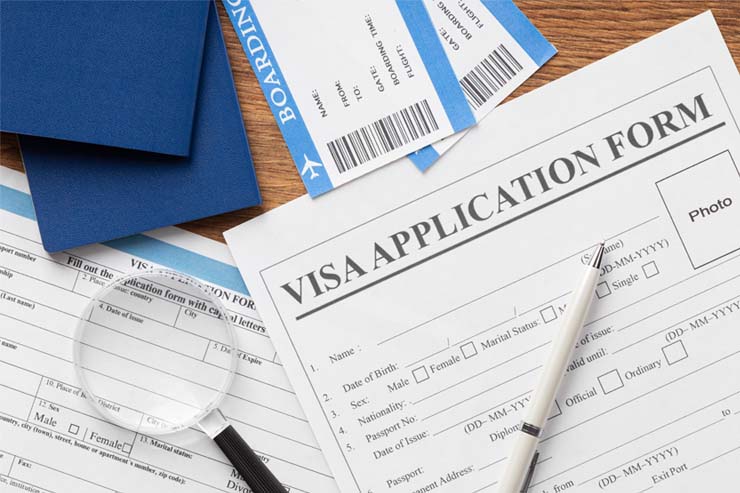
The visa application process is a crucial step for international travel, study abroad, work relocation, or short‑term visits. A visa serves as official permission from a foreign government that allows a traveler to enter and stay in its territory for a specific period and purpose. Whether you are planning to visit for tourism, business, education, or employment, understanding the visa application process in detail is essential to avoid rejection and delays.
In this comprehensive guide, we break down every aspect of the visa application process, provide practical tips, and explain important considerations that every applicant should know.
1. What Is a Visa?
A visa is an endorsement on a passport issued by the government of a foreign country that allows the holder to enter, exit, or stay in that country for a specific purpose and duration. Visas are generally categorized into:
- Tourist visas
- Business visas
- Student visas
- Work visas
- Transit visas
- Permanent residency visas
Different visa categories have distinct requirements and eligibility criteria. The specific application procedures, fees, and processing times vary by country and visa type.
2. Key Components of the Visa Application Process
The visa application process typically involves several key stages, regardless of the destination:
A. Determining the Type of Visa Needed
Before starting the visa application, you should determine the exact category of visa required based on the purpose of your trip. For example:
- A tourist visa is needed for leisure travel.
- A student visa is required if you plan to study abroad.
- A work visa is essential if you have a job offer in the destination country.
Each category has unique eligibility criteria and documentation requirements.
B. Reviewing Visa Requirements
Every country has its specific visa requirements. These requirements are usually listed on the official immigration website of the destination country. Visiting the official website ensures you have updated and accurate information.
For example, to apply for a visa to the United States, applicants refer to the U.S. Department of State or United States Citizenship and Immigration Services websites for guidance on forms, fees, and supporting documents.
C. Completing the Application Form
Most visa applications require an online or written form. Common forms include:
- DS‑160 for nonimmigrant visas to the United States
- DS‑260 for immigrant visas to the United States
Other countries have their own standardized forms. Accurate completion of these forms is critical—any error can lead to processing delays or visa denial.
D. Gathering Required Documents
Typical documents required in a visa application include:
- Valid passport with sufficient validity beyond travel dates
- Passport‑sized photographs
- Proof of travel itinerary (flight tickets, accommodation)
- Financial proof (bank statements, employment letter)
- Invitation letter (if applicable)
Some visas may also require medical examinations, police clearance certificates, or proof of educational qualifications.
E. Paying the Visa Application Fee
Visa fees vary by country and visa type. Payment is often required before scheduling an interview or submitting documents. Fees may be non‑refundable even if the visa is denied.
F. Scheduling and Attending the Visa Interview
Many countries require applicants to attend an in‑person interview at the nearest consulate or embassy. During the interview, officers assess the purpose of travel, applicant intentions, and supporting documents.
Countries such as Canada and Australia have points‑based systems for some work and residency visas, which require additional evaluation.
G. Visa Processing and Waiting Period
Once all necessary steps are completed and documents are submitted, the application enters the processing stage. Processing times vary widely, from a few days to several months, depending on the country and type of visa.
Factors that influence processing time include seasonal demand, completeness of application, and background checks.
H. Visa Approval and Passport Return
If approved, the visa is stamped or attached to the applicant’s passport. Some countries may send the passport by mail, while others require personal pickup.
3. Important Tips for a Successful Visa Application
A. Start Early
Visa processing can take weeks or months. Starting early gives you ample time to prepare all documents and attend interviews without stress.
B. Be Accurate and Honest
Ensure all information provided is accurate and honest. Inconsistencies or false statements can lead to visa denial and future travel restrictions.
C. Prepare for the Interview
If an interview is required:
- Dress professionally
- Carry all original documents
- Be prepared to explain the purpose of your trip clearly
Understanding the purpose of your visit and having solid evidence improves your chances of a successful interview.
D. Keep Copies of All Documents
Always keep copies of every document submitted with your application. If any document gets lost or additional proof is requested, having copies is invaluable.
4. Common Reasons for Visa Denial
Visa denial can be disappointing and may delay travel plans. Common reasons for visa refusal include:
- Incomplete application forms
- Lack of supporting documentation
- Financial insufficiency to cover travel expenses
- Inability to prove intent to return home
- Invalid or expired passport
- Errors or inconsistencies in documentation
Understanding common pitfalls helps applicants prepare stronger, more complete submissions.
5. Visa Application for Specific Destinations
Visa Application for the United States
Applying for a United States visa involves:
- Completing the appropriate DS‑160 or DS‑260 form
- Paying the visa application fee
- Scheduling an interview at a U.S. Embassy or Consulate
- Attending the interview
Applicants should refer directly to the U.S. Department of State website for up‑to‑date forms and procedures.
Visa Application for Schengen Countries
The Schengen Area consists of multiple European countries that allow travel with a single visa. To apply:
- Determine which Schengen country is your primary destination
- Complete the Schengen visa application form
- Provide proof of travel, accommodation, insurance, and finances
- Attend the consulate interview
Schengen visas are popular for tourism and business travel across Europe.
Student Visa Applications
Students planning to study abroad often need additional documentation such as:
- Letter of acceptance from a college or university
- Proof of sufficient funds
- Academic transcripts
- Language proficiency test scores
Countries like Canada, the U.S., and the U.K. have detailed guidelines for student visa applicants.
6. Visa Extensions and Renewals
Some travelers may need to extend or renew their visas due to changes in travel plans. Extension procedures vary by country but commonly require:
- Application for extension before current visa expiry
- Justification for extension
- Proof of financial support and accommodation
Visa renewals typically involve submitting a fresh application, even if the previous visa was granted.
7. Final Thoughts
The visa application process can be complex and time‑consuming, but proper preparation helps simplify the journey. Understanding requirements, starting early, following instructions accurately, and providing complete documentation greatly increases your chances of visa approval.
Whether you are applying for a short‑term tourist visa or a long‑term work or study visa, this guide gives you a solid framework to approach the process confidently.
Frequently Asked Questions About the Visa Application Process
Q1. How long does a visa application take?
Processing times vary by country and visa type. Standard tourist visas may take days or weeks, while work and residency visas may take months.
Q2. Can I travel while my visa application is pending?
This depends on the laws of the destination country. In many cases, applicants must wait for a decision before traveling.Q3. What happens if my visa gets denied?
You may reapply, often with stronger supporting documents, or appeal the decision if the country’s law allows it.
Leave a Reply