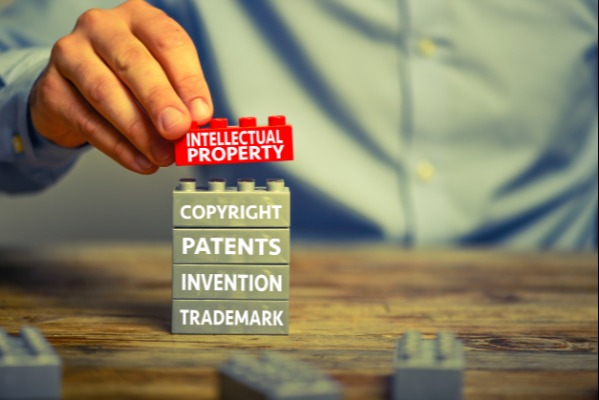
In today’s fast-paced world, creativity and innovation are among the most valuable assets for individuals, businesses, and organizations. Protecting these assets requires a solid understanding of Intellectual Property Law, a specialized area of law that safeguards creations of the mind, including inventions, literary and artistic works, designs, symbols, names, and images used in commerce. Intellectual property (IP) ensures that creators can benefit from their work, promotes innovation, and prevents unauthorized use or reproduction.
What is Intellectual Property Law?
Intellectual Property Law is a branch of law that grants legal rights to creators over their intellectual creations. Unlike physical property, IP exists in intangible form but carries significant economic and strategic value. The main objective of IP law is to balance the rights of creators with the public interest, ensuring access to knowledge while incentivizing innovation.
The primary categories of IP law include:
- Copyright Law
- Patent Law
- Trademark Law
- Trade Secret Law
- Industrial Design Rights
Each of these areas serves a unique purpose and involves specific legal protections.
Copyright Law: Protecting Original Works
Copyright law is designed to protect original literary, artistic, and musical works. It grants creators the exclusive right to reproduce, distribute, perform, and display their works. For example, authors, musicians, filmmakers, and software developers rely on copyright law to safeguard their creations.
Key points about copyright include:
- Automatic Protection: Copyright arises automatically upon the creation of a work, without the need for formal registration, although registration strengthens legal enforcement.
- Duration: In most jurisdictions, copyright protection lasts for the life of the author plus 70 years.
- Limitations: Fair use doctrines allow limited use of copyrighted works for purposes such as commentary, criticism, and education.
Entities frequently involved in copyright law include the United States Copyright Office (USCO), World Intellectual Property Organization (WIPO), and major international organizations like Creative Commons, which provides licensing frameworks to facilitate legal sharing of creative works.
Patent Law: Protecting Inventions
Patent law protects inventions, providing inventors with exclusive rights to manufacture, use, or sell their inventions for a limited period, typically 20 years from the filing date. Patents are crucial for encouraging technological innovation and investment in research and development.
Types of patents include:
- Utility Patents: Cover new and useful processes, machines, or compositions of matter.
- Design Patents: Protect ornamental designs applied to functional items.
- Plant Patents: Protect newly discovered plant varieties.
Patents require a formal application process, including a detailed description of the invention and claims defining the scope of protection. Entities like the United States Patent and Trademark Office (USPTO), European Patent Office (EPO), and WIPO’s Patent Cooperation Treaty (PCT) facilitate global patent registration and enforcement.
Trademark Law: Protecting Brands
Trademarks are symbols, names, phrases, or logos that identify and distinguish goods or services. Trademark law helps businesses protect their brand identity, reputation, and consumer trust.
Important aspects of trademark law:
- Registration: While trademarks can exist without registration, registering a trademark provides stronger legal protection.
- Scope: Trademarks cover brand names, logos, slogans, and even distinctive packaging.
- Duration: Trademarks can last indefinitely if renewed periodically and continuously used in commerce.
Major entities involved include the USPTO, European Union Intellectual Property Office (EUIPO), and global organizations like WIPO, which administers the Madrid Protocol for international trademark protection.
Trade Secret Law: Protecting Confidential Information
Trade secrets consist of confidential business information that provides a competitive edge. Unlike patents, trade secrets do not require registration but rely on secrecy measures for protection.
Examples of trade secrets include:
- Formulas, such as the Coca-Cola formula
- Manufacturing processes
- Marketing strategies and client lists
Legal protections for trade secrets are provided through non-disclosure agreements (NDAs), employment contracts, and specific legislation such as the Defend Trade Secrets Act (DTSA) in the U.S. Misappropriation of trade secrets can lead to civil and criminal penalties.
Industrial Design Rights: Protecting Aesthetic Creations
Industrial design rights protect the visual design or appearance of products. Unlike patents, industrial design rights focus on aesthetic elements rather than technical functionality. This protection is especially relevant for industries like fashion, consumer electronics, and automotive design.
Entities such as the World Intellectual Property Organization (WIPO) and national offices like India’s Office of the Controller General of Patents, Designs & Trade Marks play a key role in granting industrial design protection.
The Importance of Intellectual Property Law
- Encouraging Innovation: By protecting creators’ rights, IP law motivates individuals and companies to invest in research, development, and creative endeavors.
- Economic Growth: IP-intensive industries significantly contribute to national GDP, employment, and exports. For instance, the pharmaceutical industry, protected by patents, drives major economic and technological advancements.
- Brand Protection: Trademark law helps businesses establish a distinct identity, preventing imitation and preserving consumer trust.
- Legal Remedies: IP law provides legal recourse against infringement, counterfeiting, and piracy, helping creators and businesses defend their intellectual assets.
Common Intellectual Property Challenges
- Infringement: Unauthorized use of copyrighted material, patents, or trademarks.
- Counterfeiting: Illegally replicating products or brands to deceive consumers.
- Digital Piracy: Unauthorized reproduction or distribution of digital content, especially in music, films, and software.
- Global Enforcement: IP laws vary by country, creating challenges for multinational protection.
Entities such as WIPO Arbitration and Mediation Center and specialized IP law firms assist in resolving international IP disputes efficiently.
Intellectual Property Law in the Digital Era
The rise of digital technologies, artificial intelligence, and e-commerce has transformed IP law. For example:
- AI-generated works raise questions about copyright ownership.
- NFTs (Non-Fungible Tokens) create new opportunities for digital art protection.
- Cross-border enforcement requires harmonized international treaties and agreements.
Leading organizations like WIPO, USPTO, and European Patent Office (EPO) are constantly updating regulations and frameworks to address these emerging challenges.
Conclusion
Intellectual Property Law is an essential framework for protecting creativity, innovation, and business value. Whether it involves safeguarding literary works, inventions, brands, or confidential business knowledge, IP law ensures that creators and innovators can reap the benefits of their efforts. As technology evolves, staying informed about IP regulations, enforcement mechanisms, and emerging trends is crucial for individuals, startups, and multinational corporations.
By understanding and leveraging intellectual property rights, businesses can strengthen their competitive advantage, while society benefits from continuous innovation, creativity, and economic growth.
Leave a Reply