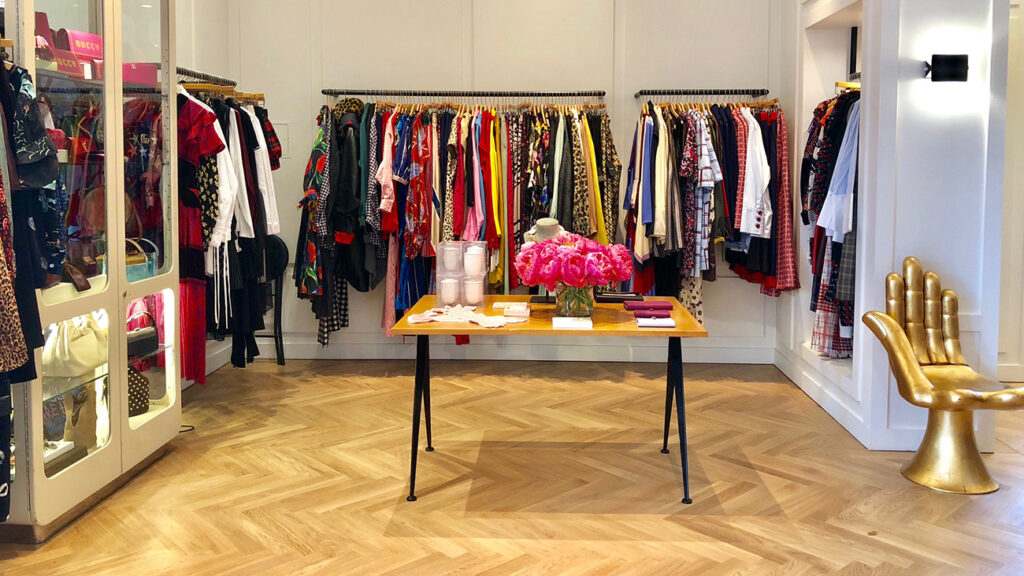
Starting a Boutique Clothing Business is a dream for many fashion lovers, creative entrepreneurs, and style influencers. Whether you’re launching your first shop online or planning a brick‑and‑mortar store, the journey requires strategic planning, passion for style, and an understanding of your target audience. In this full‑length guide, you’ll learn everything from business setup to marketing, product sourcing, customer experience, and scaling.
What Defines a Boutique Clothing Business?
A Boutique Clothing Business is a small‑scale retail shop that offers curated clothing, accessories, or fashion products with a distinct identity. Unlike mass retailers, boutiques emphasize uniqueness, personalization, and often serve niche markets. For example, a boutique might specialize in vintage apparel, sustainable fashion, or luxury evening wear.
Boutiques often attract customers who seek style, quality, and an experience rather than just a transaction. Creating a boutique brand means defining your fashion voice and offering products that resonate emotionally with your audience.
Choosing Your Niche: The First Step to Boutique Success
One of the most important decisions you’ll make as a boutique founder is selecting your niche. Your niche determines your brand identity, customer base, and product sourcing strategy. Popular boutique niches include:
- Sustainable and eco‑friendly fashion
- Trend‑driven women’s couture
- Men’s streetwear and urban fashion
- Curvy and plus‑size exclusive styles
- Maternity fashion
- Bohemian or artisanal clothing
Having a clearly defined niche helps refine your marketing and reduces competition from big box retailers.
Legal and Financial Setup
Before launching, you must handle the formal business setup. Most boutique owners begin by registering their business name, securing the appropriate licenses, and setting up tax registrations depending on their region. If you plan to operate primarily online, consider registering your boutique as a sole proprietorship or limited liability company (LLC) to protect your personal assets.
You’ll also need a business banking account, a bookkeeping system, and a reliable payment processing system to handle sales. Setting up your financial infrastructure early helps with budgeting and forecasting.
Curating Your Boutique Clothing Collection
A curated product collection differentiates boutiques from traditional clothing stores. You want clothing and accessories that align with your brand and appeal to your niche audience. Some boutique owners choose to:
- Work with independent designers
- Source from international fashion markets
- Partner with local artisans
- Develop private label or custom designs
If you’re building an online boutique, platforms like Shopify and Etsy offer tools to upload product catalogs, manage inventory, and process orders.
Keep product diversity balanced: too many stock‑keeping units (SKUs) increases risk and storage costs, while too few limits customer choice.
Creating an Online Presence That Sells
Today, most successful clothing boutiques operate with a strong online presence. Building a professional website and online store creates a 24/7 sales channel for customers worldwide.
Choosing the Right Platform
For an easy and scalable online store, many boutique owners use platforms like WooCommerce (for WordPress sites) or BigCommerce. These systems offer customizable storefronts, SEO tools, and integrations with social media and payment gateways.
Product Pages That Convert
Your product pages should include:
- High quality photos with multiple angles
- Detailed size charts
- Fabric and care information
- Suggested pairings or styling tips
- Clear pricing and shipping policies
Use keywords like “boutique clothing,” “unique fashion finds,” “women’s boutique apparel,” and niche‑specific terms throughout your product descriptions to improve search visibility.
A blog section is another essential part of your boutique website. A regularly updated blog drives organic traffic, positions you as an expert in fashion trends, and helps your customers connect with your brand story.
Instagram Marketing for Fashion Boutiques
Social media is a visual playground for fashion boutiques. Platforms like Instagram and Pinterest are especially effective at showcasing styles and attracting fashion lovers.
Tips for social growth include:
- Posting consistently with a clean, cohesive aesthetic
- Sharing outfit inspirations and styling reels
- Partnering with micro‑influencers or fashion bloggers
- Running Instagram Ads targeted to specific demographics
Use relevant hashtags such as #BoutiqueStyle, #Fashionista, #ShopBoutique, and niche tags to reach customers searching for new clothing brands.
Customer Experience: In‑Store and Online
Whether you operate physically, online, or both, customer experience is the backbone of boutique success.
In‑Store Experience
If you have a physical location, ensure the store interior reflects your brand. Boutique interiors should feel welcoming and curated—not cluttered. Personalized service, style advice sessions, and loyalty incentives make customers feel valued.
Online Experience
For online boutiques, experience means:
- Quick page load times
- Simple navigation and checkout
- Mobile‑friendly design
- Fast and transparent shipping
- Easy returns and exchanges
Including customer reviews and testimonials on your website builds trust and encourages repeat sales.
Leveraging Email Marketing
Email remains one of the most effective channels for boutique clothing businesses. Set up email automation tools through platforms like Mailchimp or Klaviyo to send:
- Welcome series to new subscribers
- Cart abandonment reminders
- Exclusive offers and seasonal launches
- Style guides or lookbooks
Targeted email campaigns improve customer retention and increase lifetime value.
Seasonal Trends and Inventory Planning
Fashion is inherently seasonal, and successful boutiques anticipate trends months in advance. Keep an eye on fashion forecasts, runway highlights, and street style trends that align with your niche.
Inventory planning should account for:
- Seasonal peaks (e.g., summer dresses, winter coats)
- Launch events or holiday promotions
- Overstock or clearance cycles
With accurate forecasting, you avoid stockouts and reduce overstock that ties up capital.
Collaborations and Pop‑Up Shops
Collaborations with complementary brands or influencers can expand your reach. Many boutiques host weekend pop‑up shops in markets, festivals, or other retail spaces to introduce their collection in new areas.
Pop‑ups can be especially effective when paired with social media campaigns, local partnerships, or exclusive event promotions.
Scaling Beyond the Boutique
Once your boutique clothing business has a stable foundation, it’s time to explore scaling. Options include:
- Expanding product lines (e.g., adding accessories or footwear)
- Offering personal styling services
- Licensing your brand
- Opening additional locations
- Wholesale partnerships
Each growth path requires capital, systems, and a deeper understanding of your audience.
Final Thoughts: Why Boutiques Still Matter
In an era dominated by fast fashion and global retailers, Boutique Clothing Businesses deliver something uniquely personal: curated styles, meaningful connections, and fashion with personality. When executed with passion and strategy, boutiques don’t just sell clothes—they build communities of loyal customers who return for new styles and shared aesthetic values.
By combining an effective online presence, engaging marketing strategy, thoughtful inventory curation, and customer‑centered experiences, your boutique can thrive in today’s competitive fashion landscape.
Leave a Reply