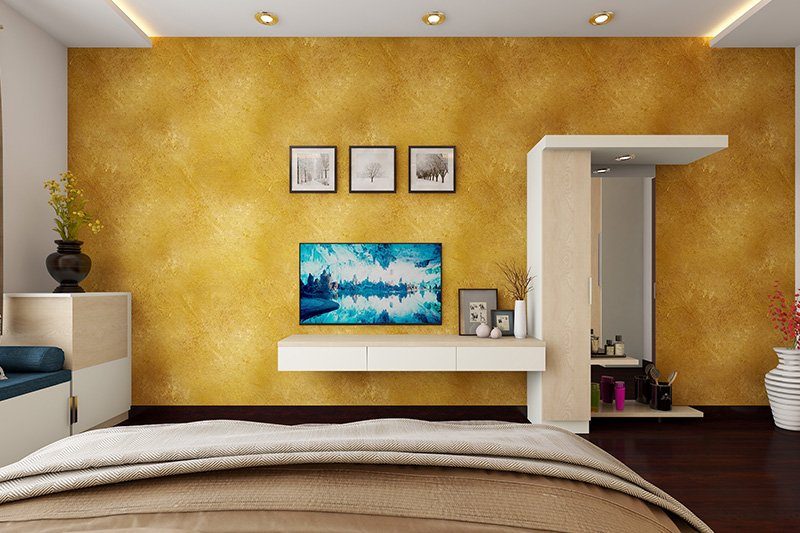
When it comes to home improvement, few projects deliver as much visual impact as painting. Whether you want to refresh a tired room, increase your home’s value, or express your personal style, mastering the right home painting techniques can make all the difference. This complete guide explores professional approaches, tools, preparation methods, and creative effects that elevate any painting project from ordinary to exceptional.
Why Proper Painting Techniques Matter
Painting walls may seem simple at first glance, but achieving a smooth, durable finish requires more than slapping on a new color. Poor painting methods can lead to streaks, drips, uneven color coverage, and premature wear. Conversely, informed painting techniques:
- Improve paint adhesion and durability
- Minimize common surface flaws
- Enhance lighting and space perception
- Increase the resale value of your home
Whether you’re a seasoned DIY enthusiast or a first‑time painter, understanding the fundamentals and advanced techniques of wall painting is essential.
Choosing the Right Tools for Painting
Success starts with having the right tools on hand. Using quality brushes, rollers, and accessories not only improves the final look but also makes the job easier and faster.
Brushes
Different brush types serve specific purposes:
- Angle sash brushes: Ideal for cutting in edges along ceilings and trim.
- Flat brushes: Good for broad, flat surfaces and detail work.
- Natural bristle brushes: Best suited for oil‑based paints.
- Synthetic brushes: Designed for latex and water‑based paints.
Tip: Invest in good quality brushes instead of cheap ones, as cheap brushes can shed bristles and result in uneven application.
Rollers
Rollers cover large surfaces quickly and come in varying nap lengths:
- Short nap (¼–⅜ inch): Best for smooth walls and ceilings.
- Medium nap (½ inch): Works on lightly textured surfaces.
- Long nap (¾–1 inch): Suitable for rough textures like stucco or brick.
Matching your roller to the surface texture ensures better paint pickup and distribution.
Other Necessities
A well‑prepared painter’s toolkit includes:
- Painter’s tape for sharp lines
- Drop cloths to protect floors and furniture
- Sandpaper for smooth surfaces
- Paint trays and liners for efficient workflow
- Extension poles for high walls and ceilings
Surface Preparation: The Most Important Step
Professional painters will tell you that preparation accounts for 70 percent of the final look. Skipping preparation often leads to peeling, cracking, and uneven color.
Cleaning the Surface
Before painting:
- Wash walls to remove dust, grease, and stains.
- Use mild detergent and water, then allow the surface to dry completely.
- For kitchens and high‑traffic areas, a stronger cleaning solution may be required.
Repairing Imperfections
Inspect walls closely for:
- Small holes
- Cracks
- Dents
Use spackling compound to fill imperfections, then sand smooth once dry. For larger gaps, a joint compound may be necessary.
Priming
Priming is a crucial step, especially when:
- Painting new drywall
- Switching between contrasting colors
- Painting over stains or dark colors
A quality primer coat seals the surface, improves paint adhesion, and ensures true color representation.
Painting Techniques That Professionals Use
Knowing how to handle your brush and roller makes painting easier and results in a superior finish.
Cutting In
“Cutting in” refers to painting the edges around trim, windows, and ceilings before rolling the main wall area. Do this with a high‑quality angle sash brush and steady hand. Working in small sections helps maintain a wet edge and avoids visible overlap marks.
Rolling in a “W” Pattern
For large wall areas, use a “W” or “M” pattern with your roller, then fill in without lifting. This technique distributes paint evenly and reduces roller marks.
Maintaining a Wet Edge
Always work from a wet edge to avoid lap marks. If paint begins to dry before the next section is rolled, the overlap will be visible once dry.
Feathering
When blending two paint sections, use a light rolling motion at the edges to “feather” the transition. This ensures a smooth, seamless finish.
Creative Painting Techniques for Stylish Interiors
Once you master basic home painting techniques, explore creative effects to enhance your interior design.
Ombre Walls
The ombre painting technique creates a gradient effect, where one color transitions into another. Start with the darkest shade at the base and gradually mix lighter tones as you move upward. Blend each layer while paint is still wet.
Color Blocking
Color blocking uses bold, contrasting blocks of color on the same wall. Use painter’s tape to outline geometric shapes and apply different colors inside each section. This modern technique is ideal for accent walls.
Strié or Faux Finish
For a subtle texture resembling fabric, try strié. After applying a base coat, use a glaze mixture and a brush or comb tool to drag vertical or horizontal lines through the glaze before it dries.
Stenciling
Stencils let you add decorative patterns or motifs on walls without freehand painting. Secure the stencil with tape, apply a contrasting color with a small brush or roller, and remove carefully when dry.
Choosing the Right Paint and Color
Your choice of paint and color impacts the mood, light reflection, and perception of space.
Types of Paint Finishes
Different finishes serve different purposes:
- Flat or Matte: Hides imperfections but is less washable.
- Eggshell: Slight sheen and easy to clean.
- Satin: Durable and ideal for high‑traffic rooms.
- Semi‑Gloss: Suitable for trim, doors, and kitchens.
- High‑Gloss: Reflective and used for decorative touches.
Selecting Paint Colors
Use color theory to choose hues that complement your design goals:
- Warm tones (reds, yellows) make rooms feel cozy and inviting.
- Cool tones (blues, greens) create a calming atmosphere.
- Neutral shades offer versatility and timeless appeal.
lighter colors can make small rooms feel larger, while darker colors add depth and drama.
Safety Considerations During Painting
Painting can involve fumes and fine particles. Follow these safety practices:
- Ensure good ventilation by opening windows and doors.
- Wear a protective mask to minimize inhalation of paint particles.
- Use gloves to prevent skin irritation.
- Keep paint and solvents away from children and pets.
If you’re working with older homes that may contain lead paint, follow local guidelines for safe removal or consult a professional.
Cleaning Up After Your Paint Project
A clean workspace speeds up future projects and protects your tools.
Brush and Roller Care
Clean brushes and rollers promptly after use:
- For water‑based paints, use warm soapy water.
- For oil‑based paints, use mineral spirits or paint thinner.
Properly washed and dried tools last longer and deliver better results.
Disposal of Paint
Never pour paint down drains. Check local waste management guidelines for safe disposal or recycling options.
Tips for Long‑Lasting Results
Here are professional tips to ensure your paint job stays beautiful longer:
- Apply at least two coats of quality paint.
- Allow adequate drying time between coats.
- Avoid painting in extreme temperatures or high humidity.
- Touch up scuffs and stains promptly to prevent further damage.
When to Hire a Professional
Although many homeowners enjoy DIY painting, some projects may require professional expertise. Consider hiring a professional when:
- You’re dealing with textured or plaster walls.
- You want complex designs or high ceilings.
- Time constraints make DIY impractical.
- You’re repainting exterior surfaces.
Professional painters bring experience, tools, and efficiency that guarantee superior results.
Conclusion
Mastering home painting techniques transforms any space with precision and style. From careful surface preparation and tool selection to creative techniques like ombre walls and color blocking, every step contributes to a more beautiful and durable finish. Whether you’re tackling your first room or refining advanced painting skills, the right approach ensures your walls reflect your vision with professional quality.
Leave a Reply